ΕΚΠΑΙΔΕΥΣΗ :: Προγράμματα - Μόνιμα
Τις τελευταίες δύο δεκαετίες έχει πλέον καθιερωθεί ο χώρος του Μουσείου ως εναλλακτικός χώρος μάθησης, εγκαινιάζοντας μια εποικοδομητική συνεργασία μεταξύ σχολείου και μουσείου τόσο μέσα από τις εκπαιδευτικές επισκέψεις, την οργάνωση και την εποπτεία των οποίων έχει, συνήθως, το σχολείο, όσο, κυρίως, μέσα από τα εκπαιδευτικά προγράμματα τα οποία υλοποιούν τα ίδια τα μουσεία με δική τους πρωτοβουλία.
Τα μόνιμα εκπαιδευτικά προγράμματα του Αρχαιολογικού Μουσείου Ηγουμενίτσας απευθύνονται σε μαθητές προσχολικής αγωγής, δημοτικού και γυμνασίου και σχεδιάστηκαν με σκοπό να αποτελέσουν διαύλους επικοινωνίας του Μουσείου με τους μικρούς του επισκέπτες. Ο σχεδιασμός τους στηρίζεται σε σύγχρονες μουσειοπαιδαγωγικές αντιλήψεις που προωθούν την παιδοκεντρική και βιωματική προσέγγιση της γνώσης, ενθαρρύνουν την εξερεύνηση και την ανακάλυψη εκ μέρους των μαθητών, ενεργοποιούν τις αισθήσεις και την κριτική τους σκέψη και παρέχουν τη δυνατότητα για τη μεταξύ τους επικοινωνία και συνεργασία.
Οι δράσεις που περιλαμβάνουν δημιουργούν τις απαραίτητες προϋποθέσεις για τη γνωριμία των μαθητών με τον αρχαιολογικό πλούτο του τόπου τους και συμβάλλουν στην εκ μέρους τους κατανόηση και ερμηνεία των μουσειακών εκθεμάτων. Στο πλαίσιο αυτό κάθε εκπαιδευτικό πρόγραμμα μετατρέπεται σε μια ευχάριστη εκπαιδευτική περιπέτεια που ελκύει τα παιδιά και γεννά την προσδοκία της επόμενης επίσκεψης.
Πέραν των ειδικών στόχων που θέτει κάθε πρόγραμμα ξεχωριστά, γενικότερα όλα τα προγράμματα επιδιώκουν:
- Την ανάπτυξη της συνεργασίας και του ομαδικού πνεύματος μεταξύ των μαθητών
- Την εξάσκηση στο συσχετισμό δεδομένων, τη διατύπωση υποθέσεων εκ μέρους τους και την εξαγωγή συμπερασμάτων
- Την καλλιέργεια των δεξιοτήτων, της φαντασίας και της δημιουργικότητάς τους
- Την αποκόμιση μιας ευχάριστης εμπειρίας, ώστε να σχηματίσουν μια θετική εικόνα για τον θεσμό του μουσείου.
Τα εκπαιδευτικά προγράμματα παρέχονται δωρεάν
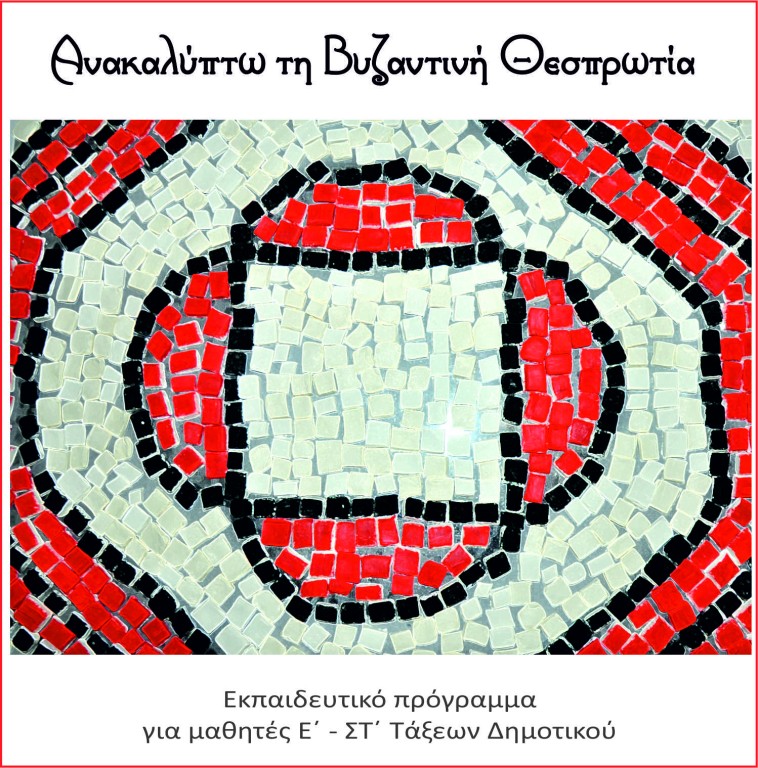
Ανακαλύπτω τη Βυζαντινή Θεσπρωτία
Στόχος του προγράμματος Ανακαλύπτω τη Βυζαντινή Θεσπρωτία είναι να γνωρίσουν οι μαθητές, μέσα από τα εκθέματα της μόνιμης συλλογής του μουσείου και τις σχεδιαζόμενες δραστηριότητες, τα σημαντικότερα βυζαντινά μνημεία αλλά και πτυχές της καθημερινής ζωής των κατοίκων της Βυζαντινής Θεσπρωτίας. Στο πρώτο μέρος του προγράμματος δίνονται σύντομες πληροφορίες για το ιστορικό πλαίσιο και τα σημαντικότερα γεγονότα που σηματοδοτούν τους αιώνες της βυζαντινής περιόδου στη Θεσπρωτία, ενώ παράλληλα παρουσιάζονται αντιπροσωπευτικά παραδείγματα από τη ναοδομία και τον τρόπο οργάνωσης των οικισμών, με ιδιαίτερη αναφορά στον βυζαντινό οικισμό στο Λαδοχώρι που ανασκάπτεται τα τελευταία έτη στην Ηγουμενίτσα, αποκαλύπτοντας σημαντικά ευρήματα της ιστορίας της πόλης αλλά…
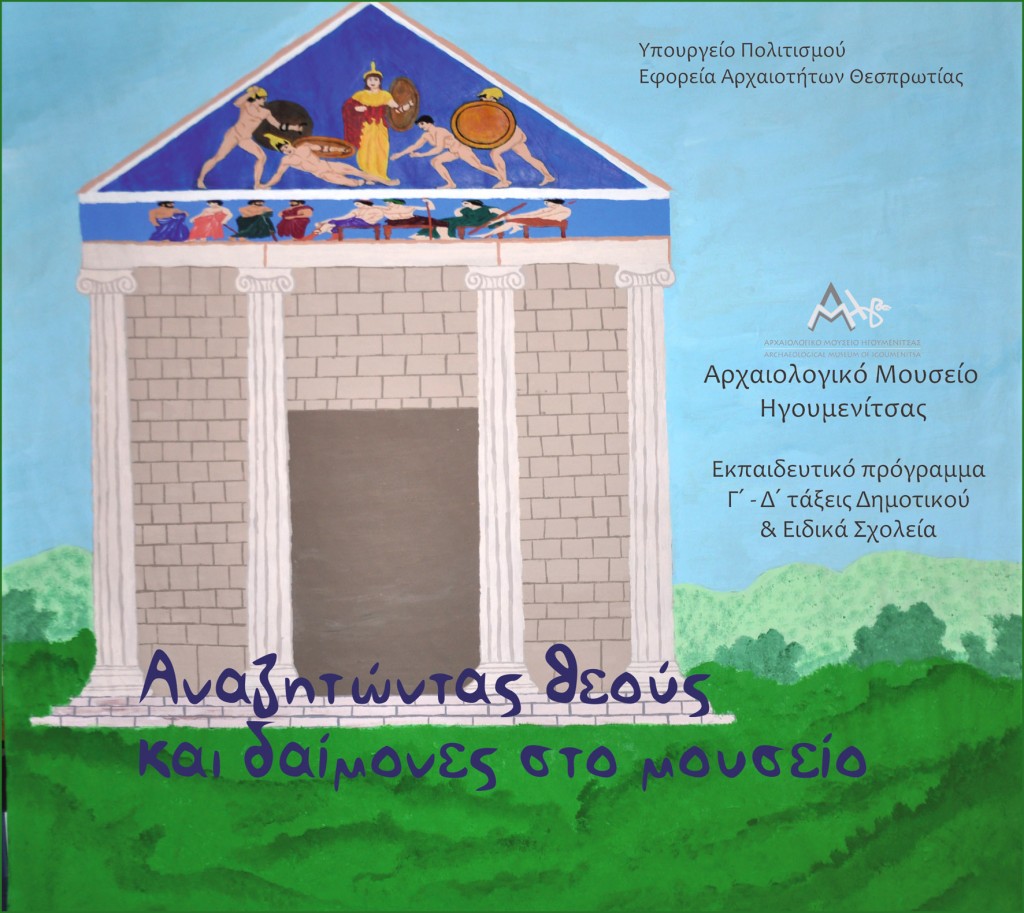
Αναζητώντας θεούς και δαίμονες στο μουσείο
Πώς ζούσαν οι θεοί στον Όλυμπο; Ποιοι είναι και με τι ασχολείται ο καθένας; Πώς κυλούσαν οι μέρες τους; Πώς τους φαντάζονταν οι άνθρωποι; Τι ήταν οι μύθοι; Ποιους θεούς λάτρευαν στην αρχαία Θεσπρωτία; Πώς μαθαίνουμε για αυτούς μέσα από τα αντικείμενα του μουσείου; Αυτά και άλλα ερωτήματα απαντώνται με τη συμμετοχή των μαθητών στο εκπαιδευτικό πρόγραμμα "Αναζητώντας θεούς και δαίμονες στο μουσείο". Μέσα από την έρευνα στον εκθεσιακό χώρο και τις δραστηριότητες που περιλαμβάνει το πρόγραμμα, οι μαθητές συλλέγουν πληροφορίες και ανακαλύπτουν απεικονίσεις για τους κυρίαρχους θεούς της αρχαίας ελληνικής μυθολογίας και τις λατρευόμενες θεότητες στην αρχαία Θεσπρωτία μέσα…
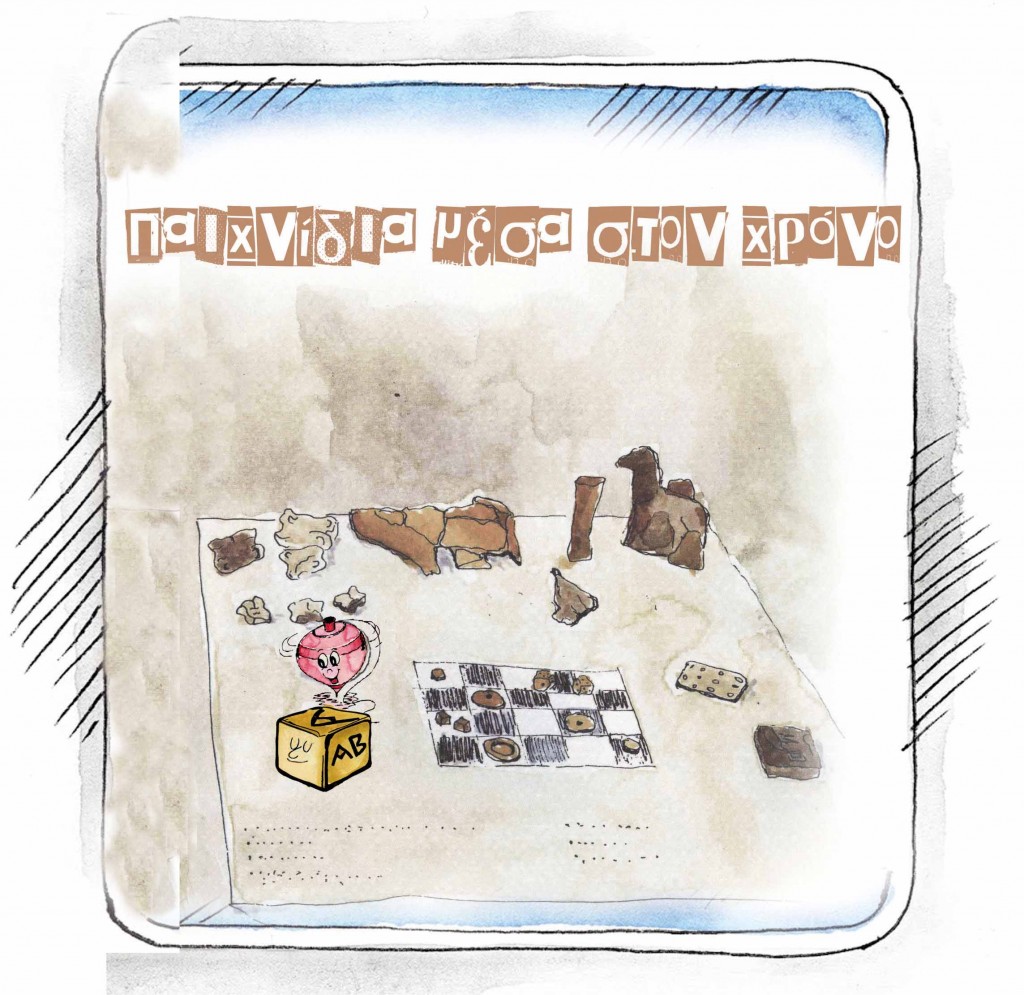
Παιχνίδια μέσα στον χρόνο
Κουδουνίστρες (πλαταγές), κούκλες (πλαγγόνες), σβούρες (στρόμβοι), ομοιώματα ζώων, μπάλες (σφαίρες), κούνιες (αιώρες) και πολλά άλλα ατομικά και ομαδικά παιχνίδια είναι γνωστά αρχαία ελληνικά παιχνίδια και συνεχίζουν να παίζονται ακόμη και σήμερα σε όλο τον κόσμο! Μέσα από το πρόγραμμα «Παιχνίδια μέσα στον χρόνο» τα παιδιά γνωρίζουν την ιστορία των αρχαίων ελληνικών παιχνιδιών, παρατηρούν και σχολιάζουν, μαντεύουν το υλικό κατασκευής τους και τα συγκρίνουν με τα σύγχρονα παιχνίδια.
Βασικές επιδιώξεις του εκπαιδευτικού προγράμματος αποτελούν:
- Η γνωριμία με τα αρχαία παιχνίδια
- Η γνωριμία με πτυχές της καθημερινής ζωής των παιδιών στην αρχαία Ελλάδα
- Η κατανόηση της έννοιας της διαχρονικότητας
- Η επίσκεψη…
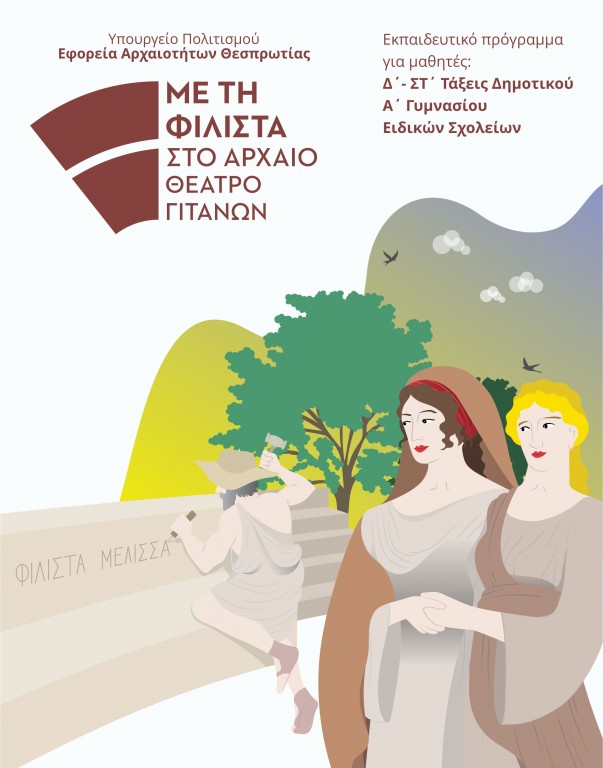
Με τη Φιλίστα στο αρχαίο θέατρο Γιτάνων
Σκοπός του εκπαιδευτικού προγράμματος είναι η γνωριμία των μαθητών με το αρχαίο θέατρο των Γιτάνων. Μέσα από τα παιδαγωγικά εργαλεία και τις δραστηριότητες, επιδιώκεται οι μαθητές να ανακαλέσουν στη μνήμη τους προηγούμενες γνώσεις για τη γένεση της θεατρικής πράξης, να γνωρίσουν τη μορφή και τα ιδιαίτερα χαρακτηριστικά του θεατρικού οικοδομήματος και να κατανοήσουν τη διττή λειτουργία του ως χώρου διδασκαλίας αρχαίου δράματος και χώρου συνελεύσεων της πόλης αλλά και του Κοινού των Θεσπρωτών και των Ηπειρωτών.
Στους κύριους στόχους περιλαμβάνεται παράλληλα η ανάδειξη της σημασίας των χαραγμένων στα εδώλια επιγραφών που αφορούν σε πράξεις απελευθέρωσης δούλων από τους κυρίους…
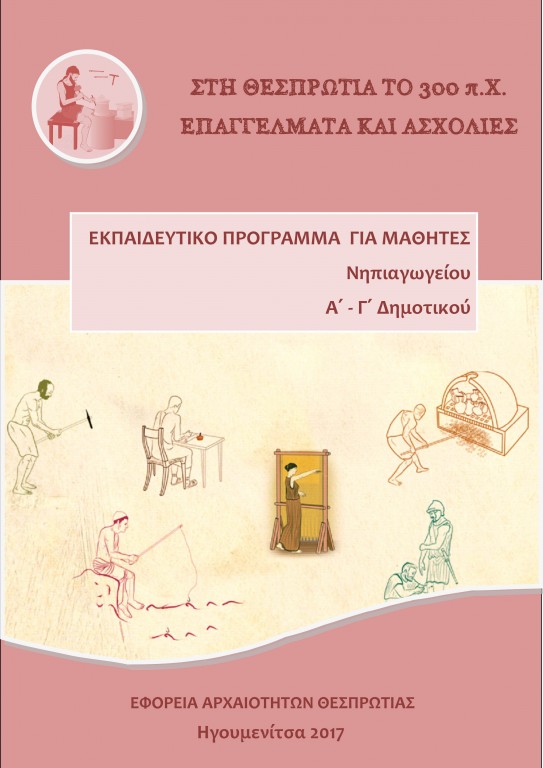
Στη Θεσπρωτία το 300 π.Χ. Επαγγέλματα και ασχολίες
Μέσα από το εκπαιδευτικό πρόγραμμα "Στη Θεσπρωτία το 300 π.Χ. Επαγγέλματα και ασχολίες" οι μαθητές θα έχουν την ευκαιρία να γνωρίσουν με έναν ευχάριστο τρόπο πτυχές της καθημερινής ζωής των αρχαίων Θεσπρωτών, που συνδέονται με την επαγγελματική ενασχόλησή τους αλλά και τις ασχολίες του ελεύθερου χρόνου. Μέσα από την έρευνα στον εκθεσιακό χώρο και τις δραστηριότητες που περιλαμβάνει το πρόγραμμα, συλλέγουν πληροφορίες και ανακαλύπτουν χαρακτηριστικά αντικείμενα που συνόδευαν τον καθένα στην καθημερινή του ζωή και έχουν συνδεθεί άμεσα με την άσκηση κάποιου επαγγέλματος (π.χ. εργαλεία), ενώ παράλληλα έρχονται σε επαφή με την εποχή και τους ανθρώπους που τα δημιούργησαν και…
Φτιαγμένα από πηλό
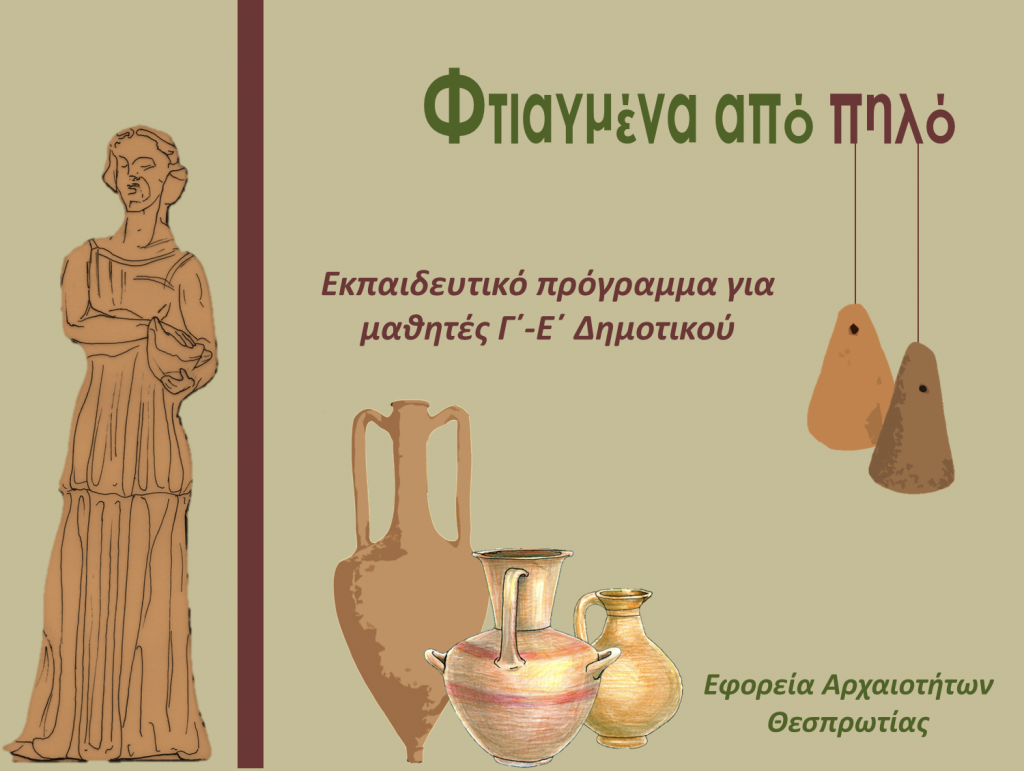
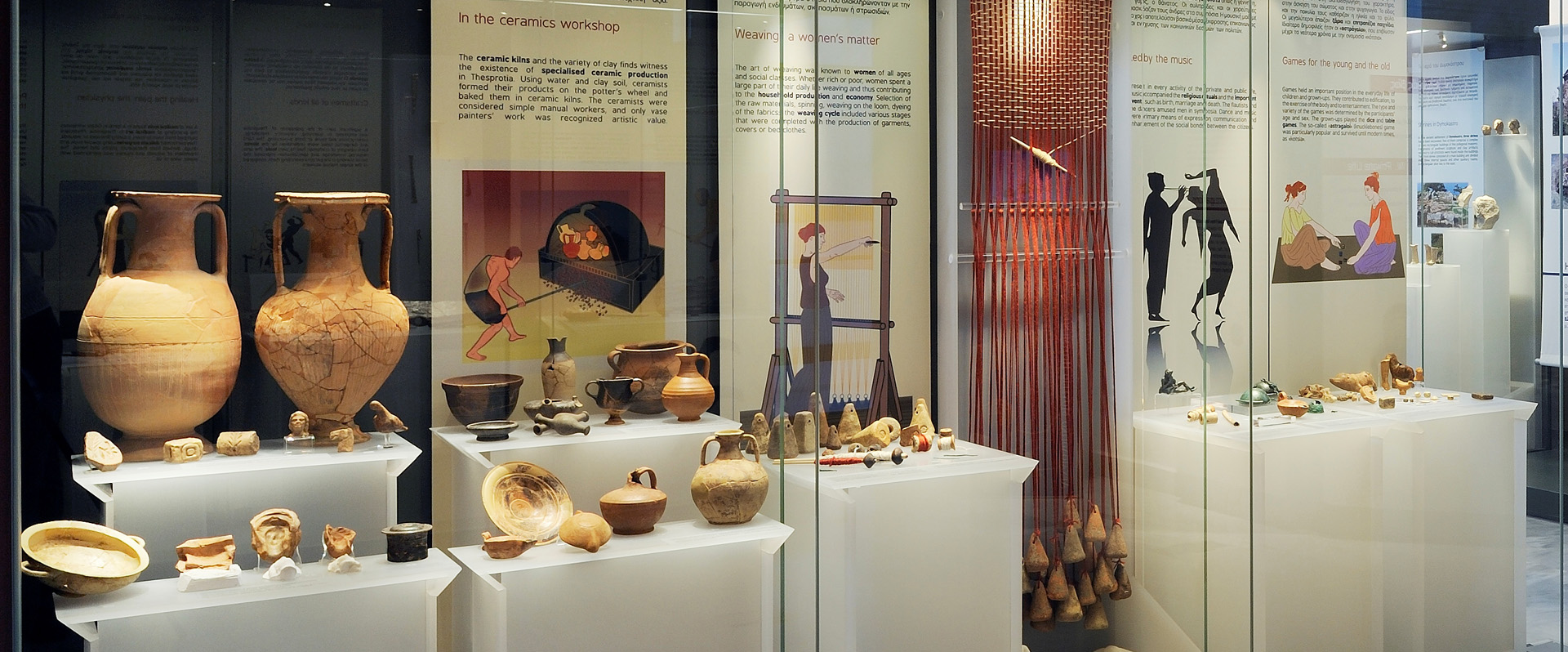
Το εκπαιδευτικό πρόγραμμα «Φτιαγμένα από πηλό» έχει ως θέμα του τον πηλό και τις ποικίλες χρήσεις του κατά την αρχαιότητα. Μέσα από μια ενεργητική εκπαιδευτική διαδικασία και ψυχαγωγική εμπειρία, το πρόγραμμα στοχεύει αφενός στη γνωριμία των παιδιών με τις βασικές αρχές της κεραμικής τέχνης και τις διάφορες χρήσεις των αγγείων και άλλων πήλινων αντικειμένων αφετέρου στην εξοικείωσή τους με τον ίδιο τον μουσειακό χώρο. Επιμέρους στόχοι του προγράμματος αποτελούν η καλλιέργεια του συνεργατικού πνεύματος μέσα από εργασία σε ομάδες, καθώς και η ανάπτυξη των ικανοτήτων των παιδιών για έρευνα και στοχευμένη παρατήρηση.
Ηλικιακές ομάδες: Γ΄- Ε΄ τάξεις Δημοτικού
Διάρκεια: 1:30΄
…




 περισσότερα